
Fall prevention at home starts with the small stuff. A friend of mine broke her wrist tripping over her own bathroom rug. Nothing dramatic happened first — no dizzy spell, no medical emergency. Just a rug that had slid an inch too far.
That’s the frustrating thing about falls: they’re rarely caused by something exotic. They’re caused by ordinary hazards that are genuinely easy to fix once you notice them.
Why Fall Prevention at Home Matters More As We Age
It’s not just about balance. Vision changes, slower reflexes, certain medications, and simply not seeing as well in dim light all add up. None of that means falls are inevitable — it just means fall prevention at home matters more than it used to. The CDC’s STEADI fall-prevention initiative is a good authoritative resource if you want to go deeper.
Room-by-Room Fall Prevention at Home
Bathroom
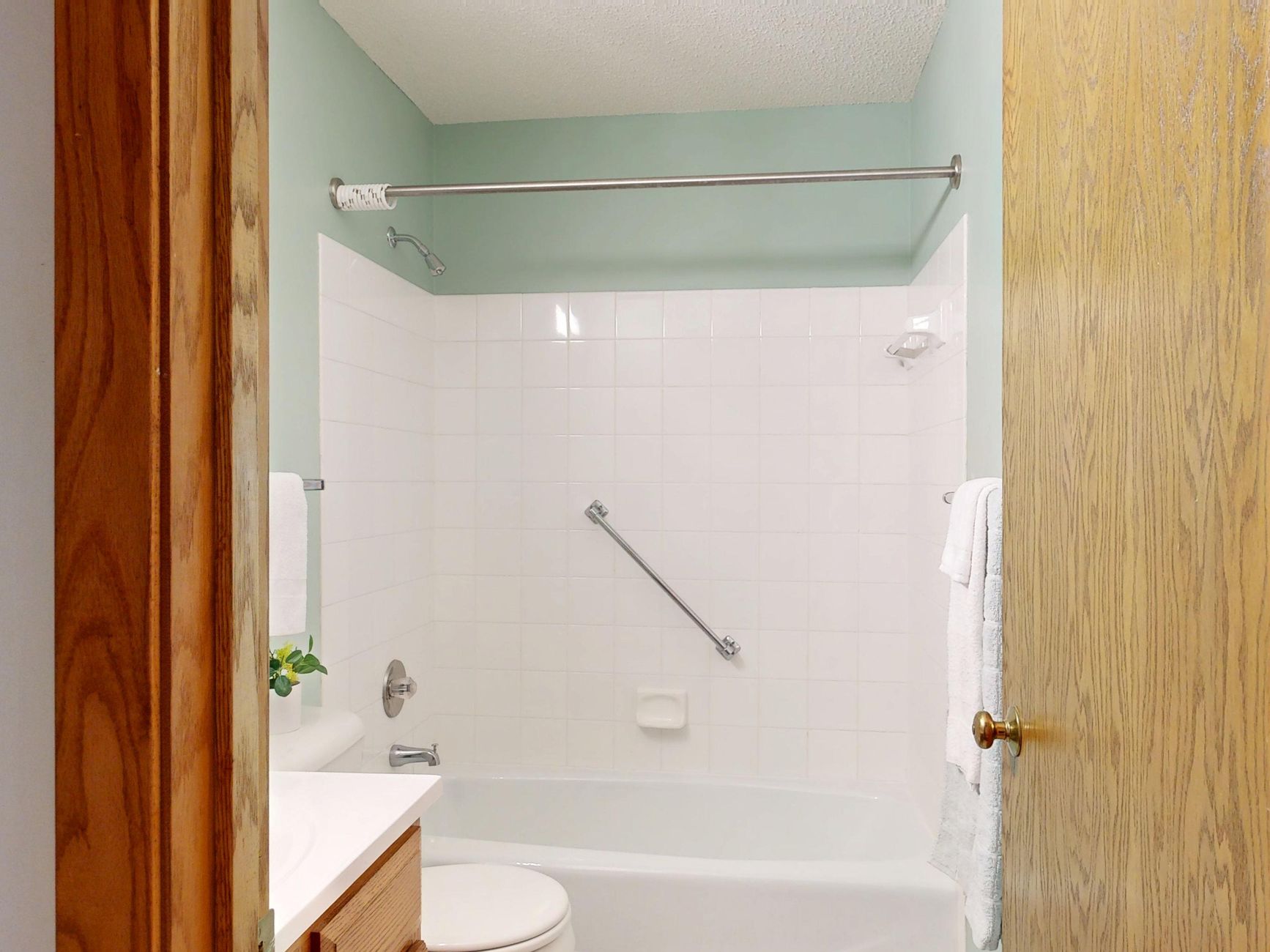
- Install grab bars near the toilet and inside the shower or tub — not towel bars, which aren’t rated to hold weight.
- Use a non-slip mat inside the tub or shower.
- Consider a raised toilet seat if getting up is becoming difficult.
Bedroom
- Keep a clear, lit path to the bathroom for nighttime trips.
- A lamp or light switch within reach of the bed, not across the room.
Stairs and Hallways
- Handrails on both sides, not just one.
- Bright, even lighting — shadows on stairs are genuinely dangerous.
- No storage on the stairs themselves, even “temporarily.”
Living Areas
- Secure or remove area rugs, especially at the edges of rooms.
- Keep walking paths between furniture wide and clear.
- Tuck away cords along walls instead of across open floor.
Balance and Strength Matter Too
Home modifications fix the environment, but your own balance and leg strength are just as much a factor. Simple things help: short daily walks, standing up from a chair without using your hands when you can, or a basic balance exercise routine. Ask your doctor about a referral to physical therapy for a fall-risk assessment if you’ve had a near-miss recently.
If a Fall Already Happened
A single fall roughly doubles the chance of another one within the next year, according to most geriatric research. That makes a fall — even a minor one, even if you weren’t hurt — worth treating as a signal to reassess, not something to brush off.
This is also where a medical alert system earns its cost: getting help quickly after a fall meaningfully changes outcomes, especially if no one else is home.
A Quick Room-by-Room Safety Check
[AFFILIATE PLACEHOLDER: link to Medical Guardian’s home safety / medical alert referral program once approved]
Frequently Asked Questions
What is the most common cause of falls at home?
Loose rugs, poor lighting, and cluttered walking paths are the most common preventable causes, followed by bathroom hazards like a lack of grab bars.
Do grab bars really help prevent falls?
Yes — properly installed grab bars near the toilet and in the shower are one of the highest-value, lowest-cost safety changes for bathrooms specifically.
How often should I reassess my home for fall risks?
Once a year is a reasonable baseline, or sooner after any fall, near-miss, or noticeable change in balance or mobility.
Can exercise really reduce fall risk?
Yes. Balance and strength exercises, even simple ones done consistently, are well-supported ways to reduce fall risk alongside home modifications.
Should I get a medical alert system even if I haven’t fallen yet?
It’s worth considering before a fall happens, not after, especially if you live alone. Getting help quickly after a fall significantly affects recovery.
Where to Go From Here
For the full picture, see our Aging in Place Checklist and Best Medical Alert Systems guide.
This article is for general education, not a medical or safety assessment specific to you. Consult a healthcare provider for a personal fall-risk evaluation. See our affiliate disclosure.