
Long-Term Care
Planning Made Easier
Clear answers. Real choices. Less stress.
What I’ve Learned About Long-Term Care
One thing I didn’t understand at first is that long-term care isn’t one specific service.
It can mean help at home, assisted living, memory care, or skilled nursing care.
The type of care someone needs can change over time, which is one reason planning ahead seems to matter.
If staying in your own home is the goal, see our Aging in Place Checklist, plus our guides to medical alert systems and fall prevention at home.
One Thing I Had Wrong
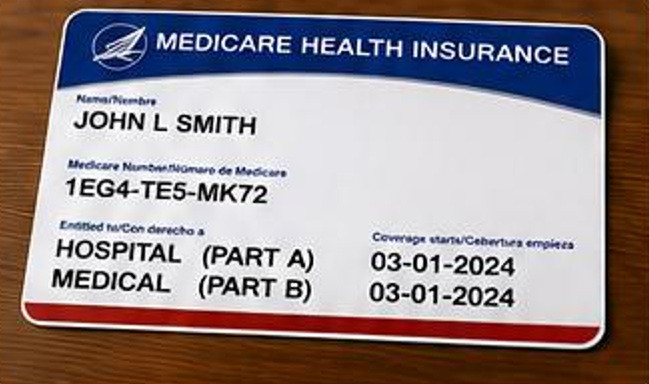
For a long time, I assumed Medicare would cover most healthcare costs in retirement.
What I’ve learned is that Medicare may help with certain short-term situations, but it generally isn’t designed to cover ongoing long-term custodial care.
That was one of the biggest eye-openers for me.
How Much Could Long-Term Care Cost?
Staying in Your Home
Home care can help with meals, bathing, dressing, medication reminders, transportation, and housekeeping. It can be a great option if you want to stay where you are as long as possible. Costs can rise quickly as care needs increase.
Assisted Living
Assisted living communities provide housing, meals, personal care, and help with daily living. They often include social activities and transportation. Costs are usually less than a nursing home but vary widely.
Memory Care
Memory care is specialized for Alzheimer’s, dementia, or memory-related needs in a secure environment. The focus is on safety, structure, and supervision.
Nursing Home Care
Nursing homes provide the most intensive care for people who need ongoing medical or daily living support. Medicare usually does not cover long-term custodial stays.
What Surprised Me Most
I always assumed Medicare would cover most healthcare situations in retirement.
The more I’ve researched long-term care, the more I’ve realized that’s not always the case.
That single discovery completely changed how I think about retirement healthcare planning.
The Questions I’m Trying To Answer
- What exactly is long-term care?
- Does everyone eventually need it?
- What does Medicare cover?
- What doesn’t Medicare cover?
- How expensive can it become?
- Is long-term care insurance worth considering?
- Can retirement savings cover the cost?
- What options are available?
Three Ways People Prepare Financially
Related Guides And Tools
Long-term care ties into your budget and your home. These two guides look at each side of that.
- How Much Do I Need to Retire? Calculator – see how care costs could fit into your bigger retirement number.
- How Reverse Mortgages Work – one way some people pay for care at home, and what to watch for.
Use Your Own Savings
Buy Long-Term Care Insurance
Use Hybrid Life + LTC Benefits
My Long-Term Care Planning Checklist
I created a simple checklist to help me organize my plan and make sure I’m not missing anything important — see our full aging-in-place checklist for the home-safety side of this.
Long-Term Care Planning Checklist
- Review what your current health insurance and Medicare actually cover — and don’t cover — for long-term care
- Estimate what care might cost in your area using the Long-Term Care Cost Estimator
- Decide how you’d fund care if you needed it: savings, insurance, family support, or some combination
- Talk with your family about your preferences before a crisis forces the conversation
- Compare long-term care insurance and hybrid life + LTC policies to see if either fits your situation
- Review your estate plan and make sure your power of attorney and healthcare directive are current
- Research in-home care, assisted living, and nursing home options nearby so you’re not choosing under pressure
- Revisit this checklist once a year, or after any major health or financial change